From The Plastic Detox to parenthood: a Collab patient story
What if small, everyday changes could transform your fertility journey?
The Plastic Detox has brought national attention to the impact of toxic chemicals on fertility. The film follows couples navigating infertility as they reduce exposure to endocrine-disrupting chemicals commonly found in plastics.
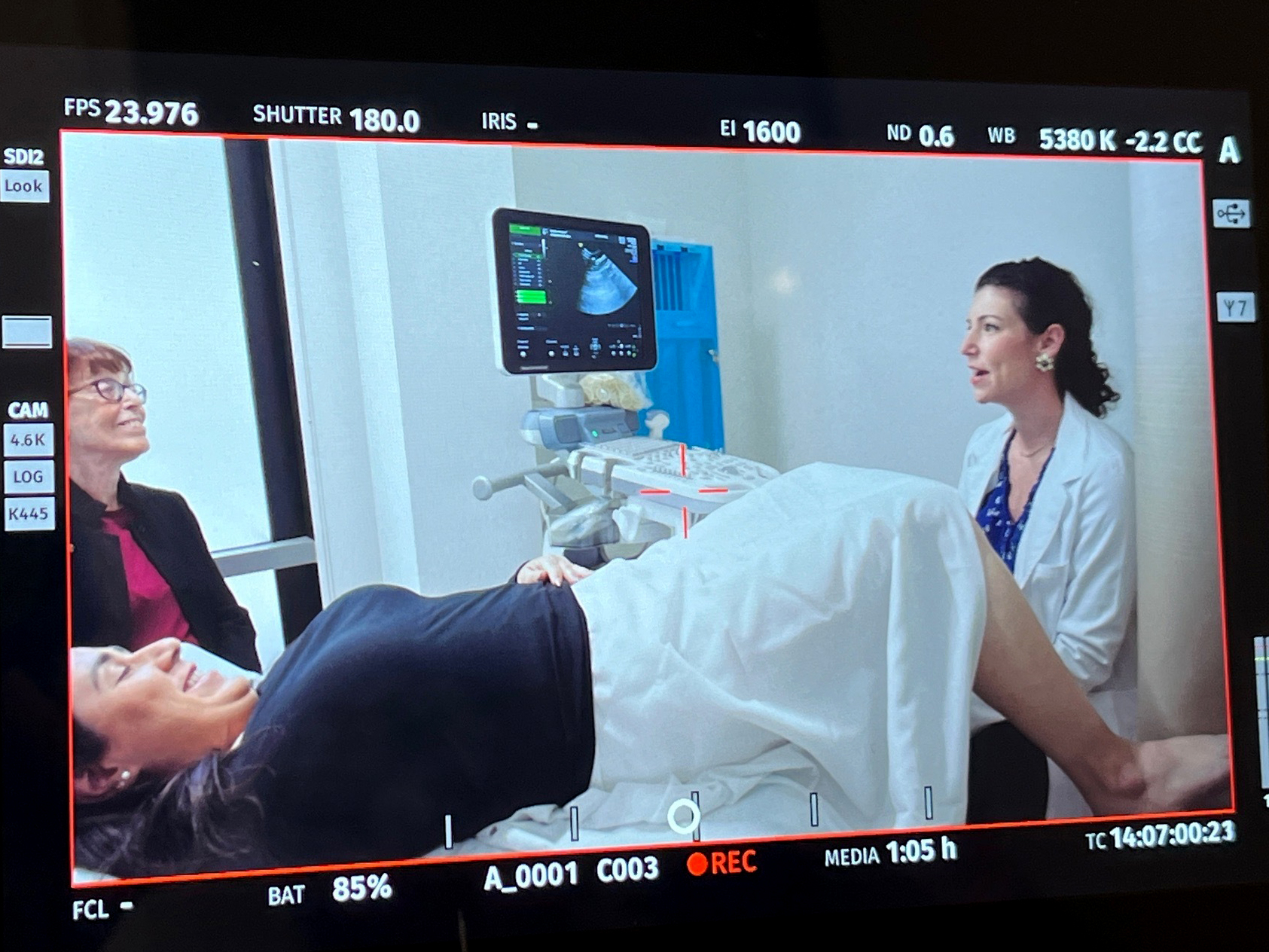
Collab Fertility and Dr. Thalia Segal are featured in the documentary, highlighting how environmental health is integrated into patient care through The Collab Way.
One of those patients is Monique Tavares.
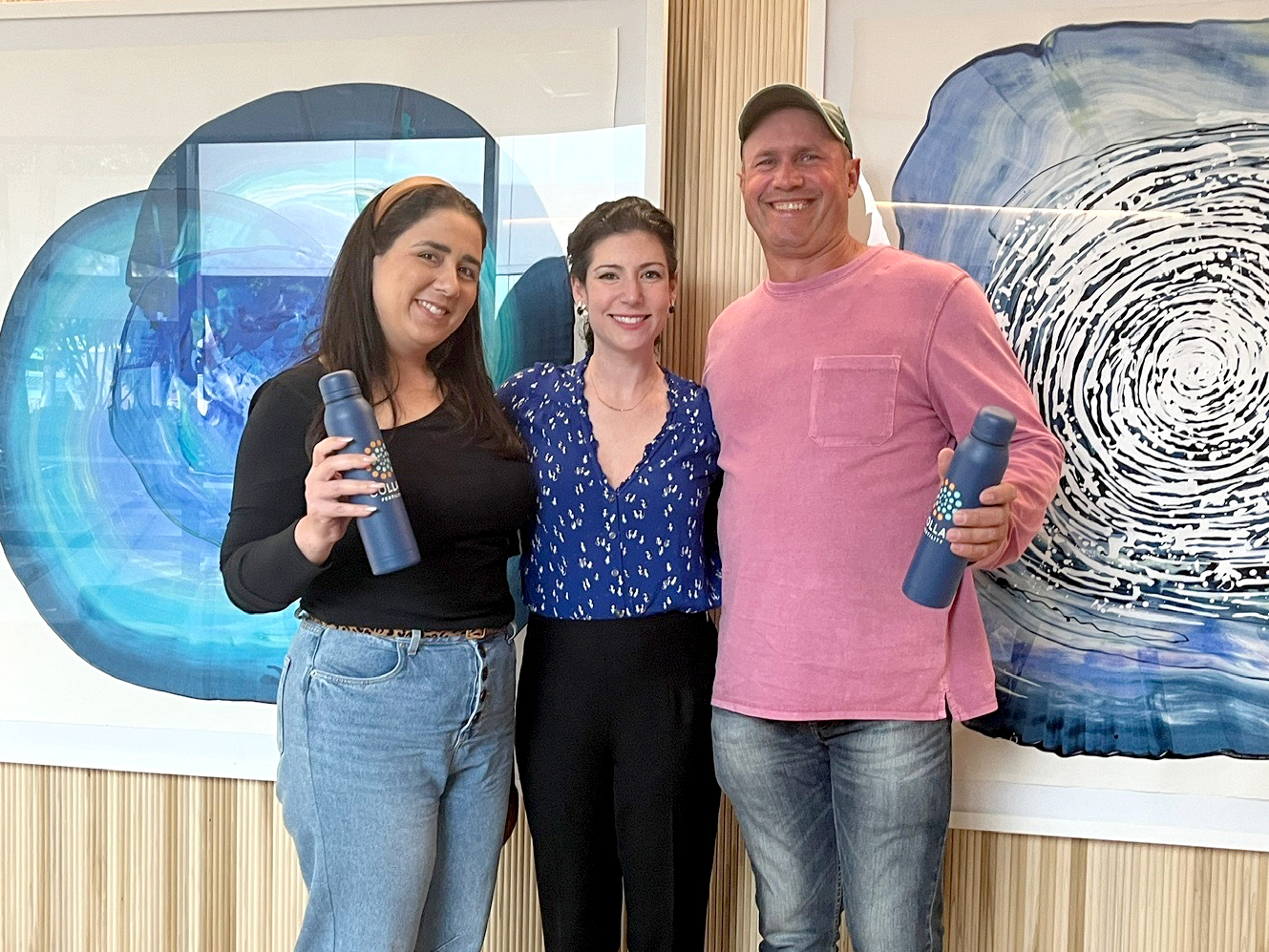
After experiencing two miscarriages and struggling to find answers, Monique and her husband, Bruno, were connected with the filmmakers and Dr. Segal. They embarked on a series of small but meaningful changes, many of which are documented in the film, that ultimately transformed their fertility journey.
Today, they are parents to three children.
We spoke with Monique about her experience.
Can you share a little about your fertility journey before connecting with the film and Dr. Segal?
Monique:
“We had been trying to conceive for about two years and went through two miscarriages. It was very confusing because I already had a daughter and hadn’t had any problems before.
All of our tests were coming back normal, and the only answer we were getting was, ‘Sometimes this just happens.’ That was really frustrating for us. I felt like there had to be something we could do, but we didn’t have any direction.”
How did you become part of The Plastic Detox?
Monique:
“Our doctor referred us to a fertility specialist and also mentioned an opportunity to speak with Dr. Segal as part of a project that might become a film.
At that point, we weren’t thinking about the film at all. We just wanted answers. We were open to anything that could help us understand what was going on.”
What was your first experience like meeting Dr. Segal?
Monique:
“It was completely eye-opening. She started talking about environmental exposures—things like endocrine disruptors and microplastics, and how they could affect fertility.
I had never heard about that before. I thought we would talk about vitamins or something missing in our bodies. But this was something totally new.
At the same time, it gave us hope, because it was something we could actually do ourselves.”
What kinds of changes did you start making?
Monique:
“We started small. Every week, we would change something.
We switched from plastic to glass containers, stopped using plastic water bottles, changed our personal care products, and reduced fragrances. My husband stopped drinking from plastic water bottles he would leave in his hot car and even changed his coffee pods.
The biggest thing was focusing on what we were using every day. It wasn’t about being perfect—it was about taking small steps over time.”
What was the hardest change for you?
Monique:
“Fragrance was the hardest. I used to wear perfume every day, even before going to sleep.
At first, it was difficult to stop, but after a while, everything changed. Now, strong scents feel overwhelming to me, and I can’t believe that used to feel normal. It really shifted my perspective.”
Did you notice any changes in your health before getting pregnant?
Monique:
“Yes. I started sleeping better, felt more focused, and overall healthier.
My husband also saw big improvements. He had a skin condition and was able to stop the treatments he had been doing for a long time.
We also learned that his sperm levels were very low at the beginning, and after making these changes, they improved.”
When did you realize the changes were working?
Monique:
“When we got pregnant, it was shocking. It felt like a miracle.
After everything we had been through, it was hard to believe that these small changes could have such a big impact. But we truly believe they did”
And now your family has grown even more?
Monique:
“Yes. We have three children now. Our oldest daughter is Cecilia, we have Daniel, who was part of the film, and our youngest is Camila.
Looking back, it’s unbelievable. We were hoping for one baby, and now we have two more. We feel so grateful and blessed.”
What has your experience been like with Dr. Segal and Collab?
Monique:
“Dr. Segal has been like an angel in our journey. She was there at really important moments for us.
What makes her different is how much she educates her patients. She gave us information we had never heard before, and that made all the difference.
She didn’t just treat us, she helped us understand what we could do ourselves.”

What would you say to someone who feels overwhelmed by all of this?
Monique:
“Start small. You don’t have to change everything at once.
There are things we still can’t fully change, and that’s okay. Just focus on what you can control and take it step by step.
And watch the film. It’s a great way to understand where to begin.”
What Monique’s story shows
Monique’s experience reflects what we see every day at Collab Fertility: small, consistent changes can make a meaningful difference.
Through The Collab Way, we help patients understand environmental exposures and translate emerging research into personalized, practical steps alongside compassionate, advanced fertility care.
We’re here to help guide you on your fertility journey. Reach out to us today.
________________________
Proudly Supporting Local Communities
Collab Fertility is honored to serve families in the East Bay like Danville, Alamo, Orinda, Lafayette, Moraga, Piedmont, and Walnut Creek, as well as many other communities in the Bay Area and beyond, including Oakland, San Ramon, Concord, Pleasant Hill, Santa Rosa, Novato, Napa, Sonoma, and more.
Latest Articles

Can fibroids affect fertility and pregnancy? A Q&A with Dr. Deepti Nahar and Dr. Thalia Segal