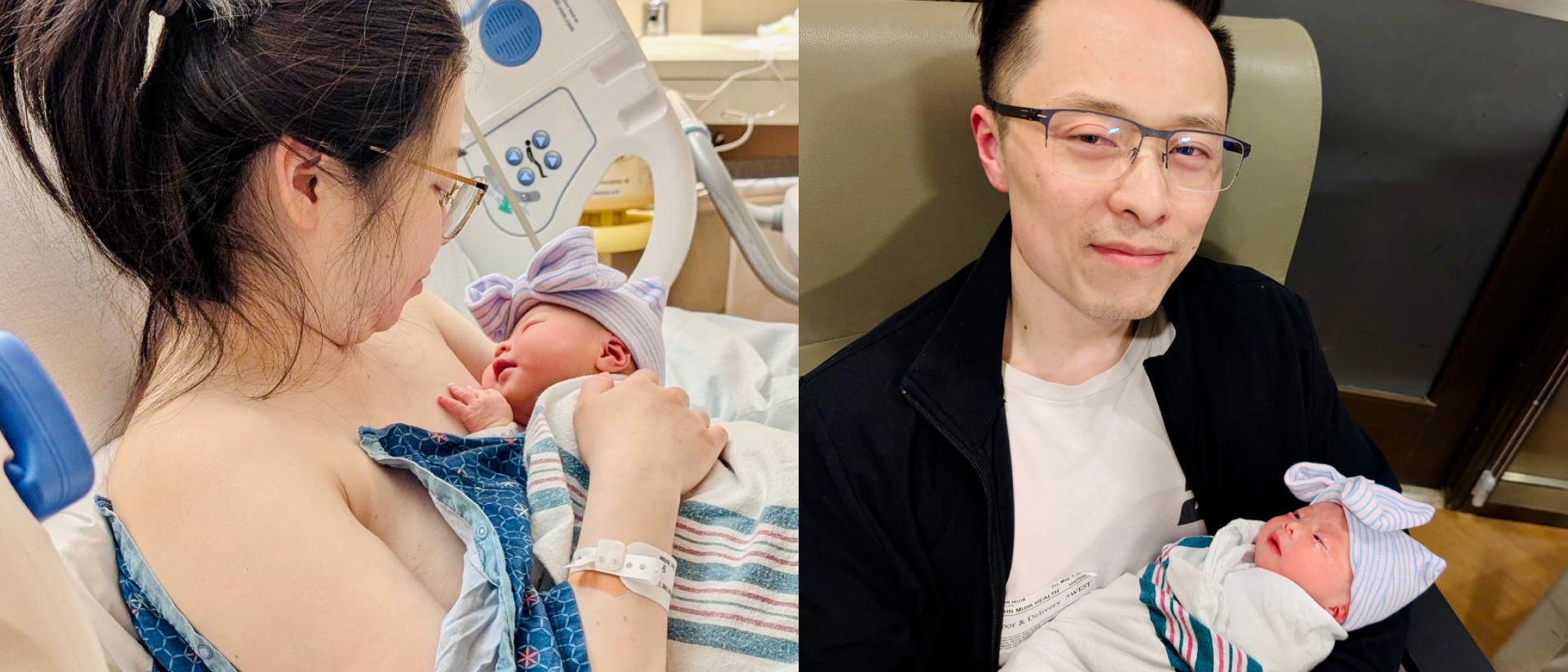
IVF success story: Sabrina and Tim
When Sabrina and her husband Tim decided to grow their family, they didn't expect to be navigating a PCOS (PMOS) diagnosis just months later. At 38, after six months of trying to conceive, they faced a decision about what path to take next.
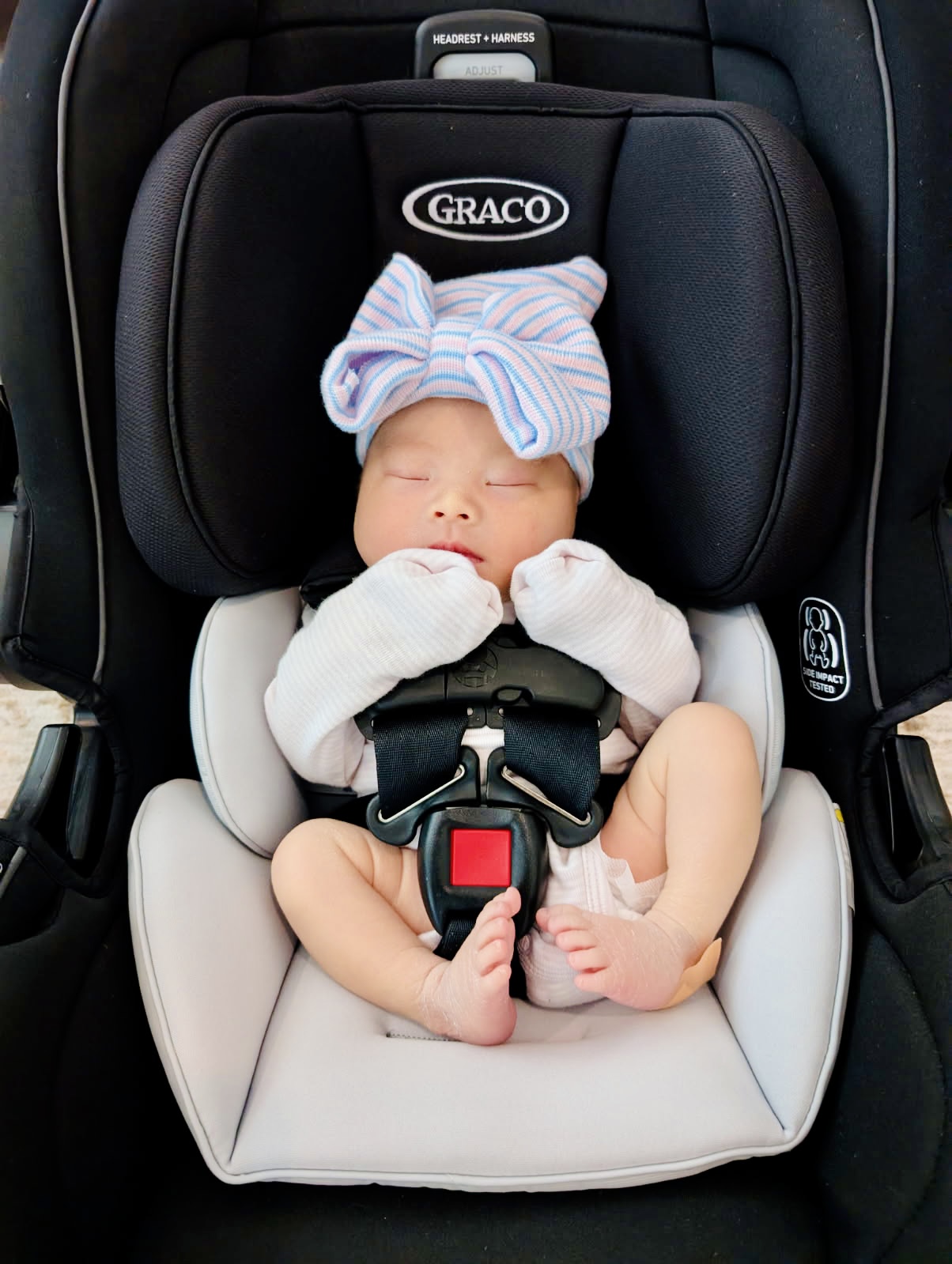
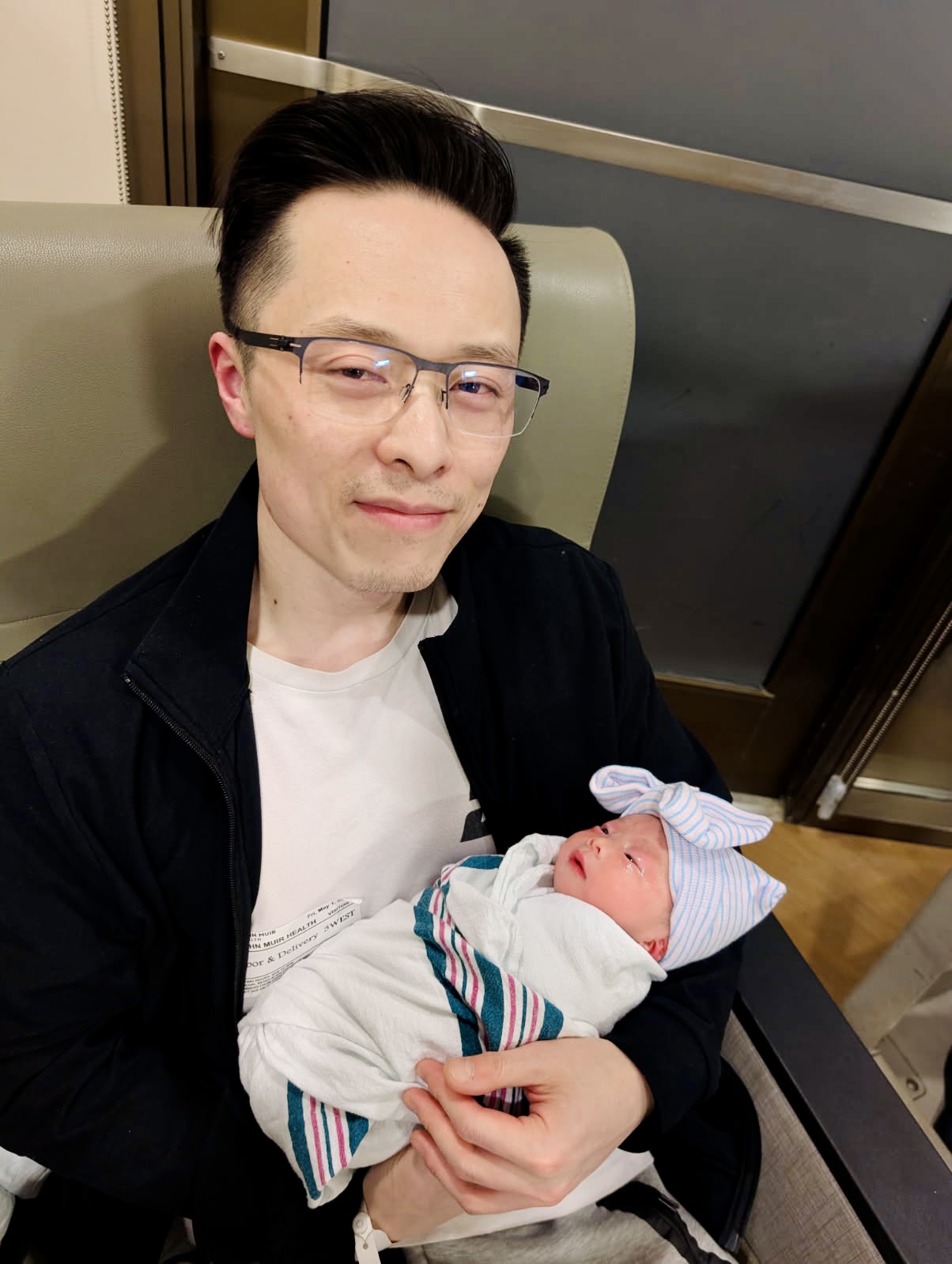
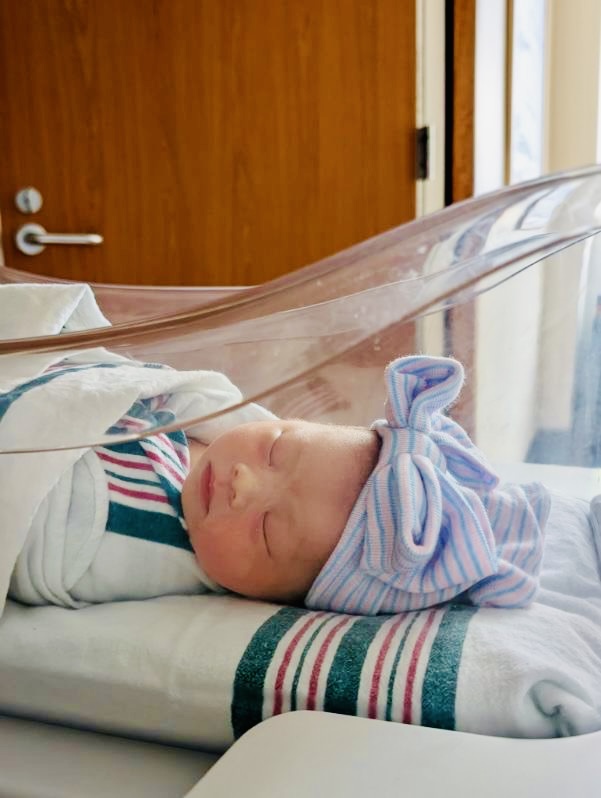
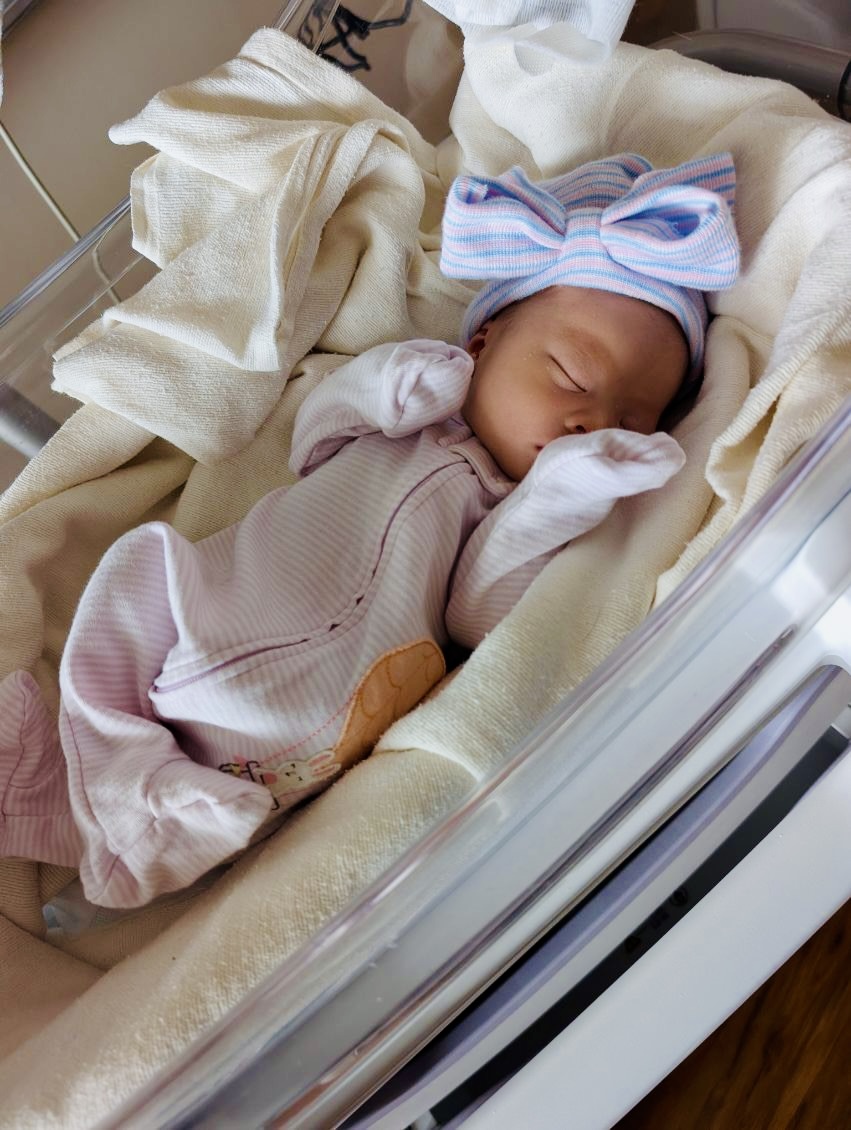
One egg retrieval yielded 25 retrieved eggs, 11 embryos, and 6 genetically normal embryos. Following their first embryo transfer, they welcomed their daughter, and they still have five embryos preserved for future family building.
We sat down with Sabrina and Tim to discuss their fertility journey, IVF experience, and life as new parents.
How does PCOS affect fertility?
Q: When did you learn you had PCOS, and what was that experience like?
Sabrina:
"I heard about it, but I had no idea that I had it. For the majority of my life, I had irregular periods, but I didn't really think too much of it. It wasn't until we really tried that I realized there's more to it, and maybe there's something with me, aside from my age, at play. When I went to my OB-GYN and consulted with her about it, she asked me a few questions. She's like, 'Yeah, you have PCOS.' But I didn't find out until I was 38."
Q: What made you decide to seek fertility support?
Tim:
"It was a mixture of age, us trying on and off, and then really trying for six months. Even using ovulation tests was never really consistent, so we just figured something was off. When she was diagnosed with PCOS, we felt that it would just make sense to at least try a different route."
What were your reasons for choosing IVF?
Q: Many patients start with ovulation induction or IUI. Why did you decide to go straight to IVF?
Sabrina:
"I think it factored in everything. We met with Dr. Segal, and she talked about alternatives with IUI. I had a friend who did hormone therapy, but for me, knowing that I was already walking in at 38 years old, I figured, let's just go straight into it to see what we can get out of it."
Q: What conversations with Dr. Segal helped you feel confident moving forward?
Tim
"She talked about the statistics and how every passing year past 35, the percentage chance of any successful pregnancy, whether IVF or not, gets lower each year. So we felt like now was the time. She's not getting any younger. After the meeting, we felt pretty good about it and decided to move forward."
Q: How important was fertility preservation in your decision?
Tim
"We had discussed potentially doing multiple rounds before it started because we just weren't sure how it was going to end up. We've heard from others who've gone through the process, and they didn't end up with as many embryos, especially given their age. So we considered multiple rounds, but we ended up going with one. In the end, we feel very, very fortunate that we have this many embryos because thinking about other couples who've tried, some of them were only able to get one or two, or even none."
What was your IVF experience?
Q: What was the egg retrieval process like?
Sabrina:
"I think beforehand, prepping the body, the shots, they were unpleasant, but it was fine. As the actual day approached, there was significant bodily discomfort. The procedure itself was so easy. It was in and out, much quicker than I thought. I feel like I was worried for nothing. I was in very good hands with the staff and Dr. Segal. Recovery was more uncomfortable than I expected, but yeah, it was fine."
Q: How did you feel when you learned you had 11 embryos?
Sabrina:
"I think we were overall pretty surprised with the numbers. Of course, they declined significantly at each stage, but we had about 25 eggs retrieved, and then 11 were fertilized and were going to be tested. We were like, 'Oh, that's a lot.' We had a lot of hope that a good amount would come out genetically normal."
Q: How did you feel when you learned six embryos were genetically normal?
Sabrina:
"Oh yeah, we were very happy with that number, and it was relieving to know that we wouldn't have to do another cycle, likely, and that out of the six, we will more than likely be able to have at least one successful pregnancy."
Q: What was the embryo transfer like?
Tim:
"The transfer experience, from what we remember, was pretty smooth too. It was cool because I remember that during that part, I was able to be in the room as well, so I could see what was happening. They were showing exactly when the embryo was going in, and it just seemed like a pretty seamless process."
Q: How did you feel during the wait after transfer?
Tim:
"I would say we were pretty anxious. Maybe more so. I'm the anxious one out of the two. It was a waiting game each time. First, we had to see the hormone levels, and then after that, it was okay, even though we have it, does it continue? It felt like there were a lot of milestones that we had to wait for. Once we hit each milestone, it was like, okay, let's move to the next one and emotionally and mentally prepare ourselves."
How did you prepare for IVF?
Q: Were there any lifestyle changes or things you focused on before treatment?
Sabrina:
"I think the one thing that I had in control was probably my nutrition and what I ate. I also do think having PMOS probably contributed to me having an abundant amount of eggs. It doesn't necessarily mean that they're good quality."
IVF success with PCOS
Q: Looking back, what would you tell someone with a PCOS (now PMOS) diagnosis who feels discouraged about fertility?
Sabrina:
"I feel like I would definitely share my experience and open up about it. If they're in the area, I would refer them to Collab Fertility. I know they do Fertility Fridays. It gives you some insight into what might be going on in your body, and then go from there if they want to do a consultation with Dr. Segal."
Q: How does it feel knowing you still have embryos preserved for the future?
Sabrina:
"It's good to know that we have the option to grow our family if we choose to."
Q: What has this experience taught you about fertility and family building?
Tim:
"If there's even some hope that it can happen, it's worth trying. We were definitely considering, well, maybe we'll just not have kids. But we figured if we didn't at least try this IVF treatment at least once, we wouldn't be able to live it down in the future. That's what I would say to other families. Just try, and if it doesn't work, then so be it. But if it doesn't, something good will happen out of it."
Q: What has life been like since becoming parents?
Tim
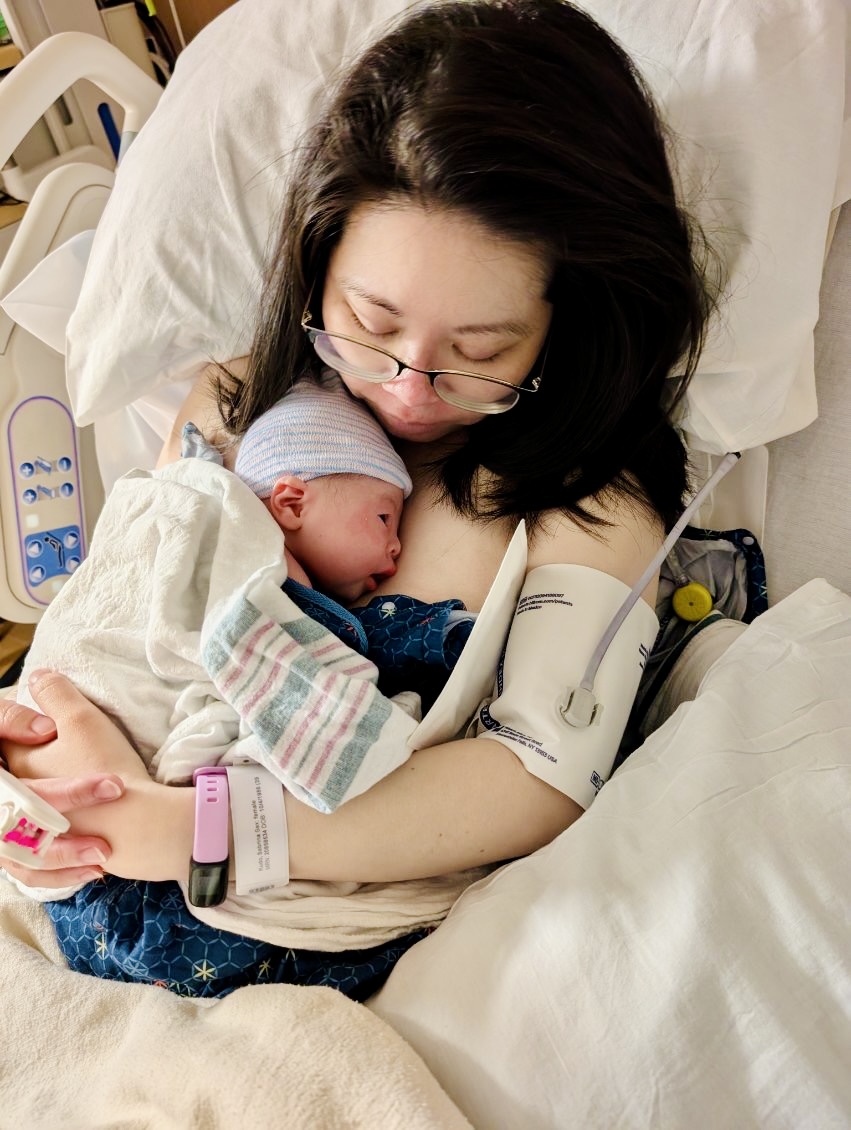
"It's been great, honestly. We wouldn't trade it for anything. It's what we wanted. It's what we expected. The whole journey has been really emotional, and just to be at the end of it and now in the next step has been very rewarding. We appreciate even having this opportunity. We are parents. We appreciate that this technology is available for us."
Sabrina:
"It's been good. He's been taking the lead, taking care of the baby as I'm recovering. It's been a joy. Every day is a little bit different. Seeing our girl is very amazing. Seeing her in real life, it's kind of wild to me because I still think of her like just a bunch of cells. I was staring at a picture of her blastocyst embryo like 10 months ago. Just to see that from that to a real baby, it's really amazing to know what modern science can help us do these days."
Every fertility journey is different
For Sabrina and Tim, IVF provided more than a path to pregnancy. It gave them the opportunity to build their family today while preserving possibilities for the future.
Their story is a reminder that fertility challenges like PCOS do not define the outcome of a family-building journey. With the right information, support, and individualized care, patients have more options than ever before.
At Collab Fertility, we're honored to walk alongside patients through every stage of the process, from fertility assessments and treatment planning to pregnancy and beyond
Interested in learning more? Schedule a consultation with Dr. Thalia Segal to take the next step in understanding your fertility.
_______________________
Proudly Supporting Local Communities
Collab Fertility is honored to serve families in the East Bay like Danville, Alamo, Orinda, Lafayette, Moraga, Piedmont, and Walnut Creek, as well as many other communities in the Bay Area and beyond, including Oakland, San Ramon, Concord, Pleasant Hill, Santa Rosa, Novato, Napa, Sonoma, and more.
Latest Articles

How does birth control affect hormones?