Pursuing IVF fertility treatments? 5 critical questions to ask your IVF lab
By Xinli Yang, PhD, HCLD, Lab Director at Collab Fertility, an East Bay fertility clinic
If you're considering in vitro fertilization (IVF), you're probably asking yourself, "How can I be sure the lab is scientifically advanced, will safeguard my frozen embryos, eggs, and sperm, and maximize my chances of a successful IVF pregnancy?" I understand how overwhelming this process can feel, so I've put together the top 5 questions to ask a fertility clinic about their IVF lab.
As the Lab Director at Collab Fertilty and with more than three decades of experience in assisted reproduction, I understand the importance of leveraging scientifically advanced, evidence-based equipment and methods to achieve positive fertility outcomes. It is a great honor to help people grow their families at our Bay Area fertility clinic and state-of-the-art IVF lab.
The most successful IVF labs foster optimal conditions for embryo development and employ advanced lab equipment alongside rigorous safety protocols. The success of IVF treatments hinges on the expertise of skilled embryologists who carry out their work with precision, rooted in scientific excellence and stringent quality control.
So, how do you ensure you choose the best possible fertility clinic and IVF lab? Here are five key questions to ask:
1. What type of incubator do you use?
In an IVF lab, the incubator is much more than just a storage space; it is a high-tech "synthetic womb" that protects your future child during their most vulnerable first days.
The best IVF labs create an environment that perfectly mirrors the internal condition of the human body after the embryologists fertilize the eggs.
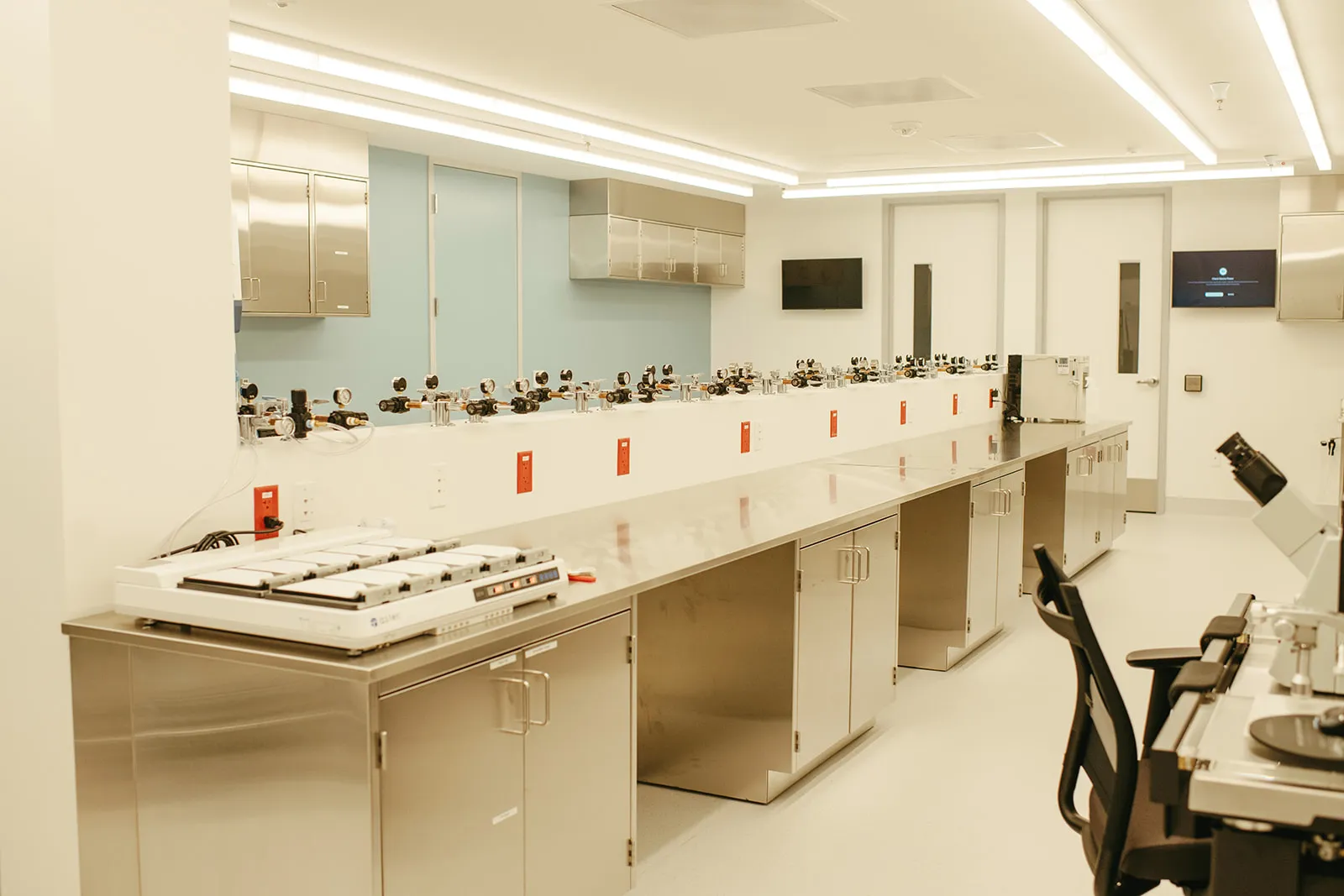
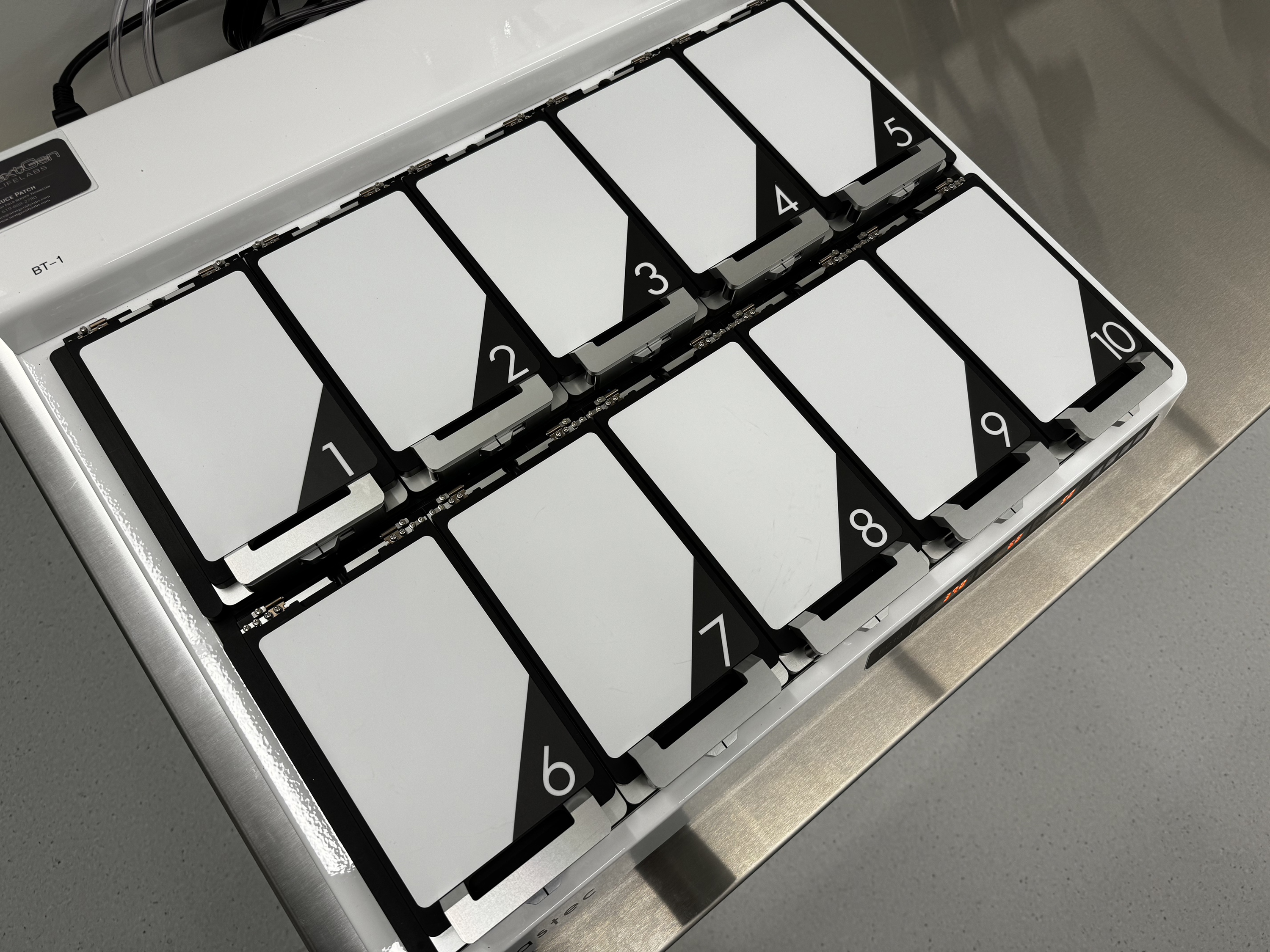
At Collab Fertilty, our Walnut Creek facility is equipped with advanced benchtop incubators, which represent a significant leap over older "large-box" models. The benefits of this specialized equipment include:
- Individualized sanctity: We use a "multi-room" design in which each patient has a dedicated, private chamber. This ensures that your embryos are never exposed to the outside air when we need to check on another patient's progress.
- Unwavering stability: By eliminating frequent door openings, we maintain a flawless balance of temperature and gas composition for the full 5–6 day culture period.
Superior outcomes: This "zero-disturbance" philosophy is the cornerstone of our success. It allows our Key Performance Indicators (KPIs)—specifically our blastocyst development and pregnancy rates—to consistently lead the way, surpassing established international standards
2. How clean is the air in your lab, and what type of air quality control system does your lab use?
Maintaining clean air quality in an IVF lab is critical for embryo safety and successful development. Both indoor and outdoor pollution can drastically impact the embryo and the success rate of IVF treatments.
The best IVF labs have highly advanced air purification and HVAC systems to maintain clean air and ideal lab temperatures.
Collab utilizes LifeAire®, an advanced air purification system that neutralizes up to 99.99% of airborne biological and chemical contaminants. We also have an HVAC system that maintains a consistent temperature in the lab. All of our lab systems and equipment are connected to a backup generator in case of a power outage.
The best IVF labs have highly advanced air purification and HVAC systems to maintain clean air and ideal lab temperatures.
Collab utilizes LifeAire®, an advanced air purification system that neutralizes up to 99.99% of airborne biological and chemical contaminants. We also have an HVAC system that maintains a consistent temperature in the lab. All of our lab systems and equipment are connected to a backup generator in case of a power outage.

3. Where are the eggs, embryos, and sperm stored?
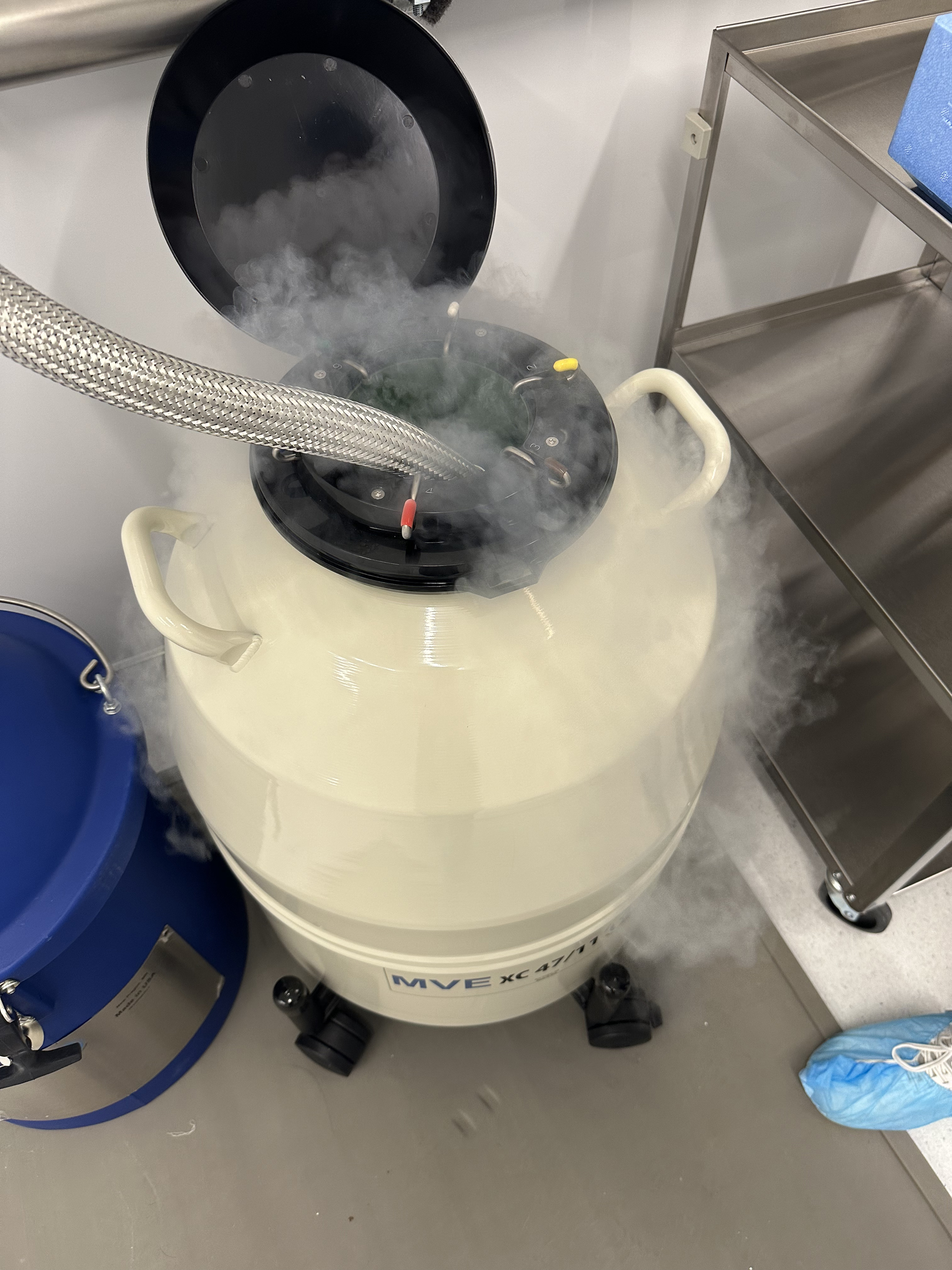
In IVF labs, cultured embryos are stored in incubators, as mentioned above. Embryos, eggs, and sperm not being used immediately are frozen using vitrification and stored in liquid nitrogen tanks.
The best IVF labs use liquid nitrogen tanks that are vacuum-insulated, not powered by electricity, and monitored 24/7. The tanks are kept at a temperature of -196°C, which allows for safe, long-time storage, and are placed in a secure lab space.
Here at Collab, we use a cryopreservation technique called embryo vitrification to rapidly cool embryos and solidify them into a glass-like structure. We then place the frozen embryos in liquid nitrogen tanks and store them in a highly secure place. We monitor the temperature of the tanks 24/7, with alarms notifying us immediately if the temperature changes.
4. What safety measures do you have in place, such as an alarm and a generator?
Because eggs, embryos, and sperm are highly sensitive, they must be stored under precise conditions to ensure their safety and security.
The best labs are outfitted with 24/7 security cameras, multiple alarms tracking the temperature and lab equipment performance, and a dedicated generator providing uninterrupted backup power.
We have many checks and balances at Collab to ensure quality control and safety in our lab located in our East Bay fertility clinic. We monitor incubators and other equipment 24/7. The alarm system immediately contacts team members if a parameter falls outside the normal range. We check the alarm system daily. Our incubators and other equipment are attached to an automatic backup power generator in case of a power failure. We test the generator weekly.
The best labs are outfitted with 24/7 security cameras, multiple alarms tracking the temperature and lab equipment performance, and a dedicated generator providing uninterrupted backup power.
We have many checks and balances at Collab to ensure quality control and safety in our lab located in our East Bay fertility clinic. We monitor incubators and other equipment 24/7. The alarm system immediately contacts team members if a parameter falls outside the normal range. We check the alarm system daily. Our incubators and other equipment are attached to an automatic backup power generator in case of a power failure. We test the generator weekly.

5. Is the embryology lab / surgery center on-site or in a different location?
Some fertility clinics have onsite labs, while others rely on offsite, third-party labs managed by individuals who aren't directly connected to the clinic.
The best fertility clinics feature in-house labs where skilled embryologists manage lab operations under the supervision of a lead embryologist certified as a high-complexity clinical laboratory director.
At Collab, our lab is the heart of our Walnut Creek fertility clinic. We invest in state-of-the-art technology to maximize your fertility outcomes. Our dedicated embryologists are meticulous scientists with a deep passion for our work. We handle each egg and embryo with the highest level of care, and nothing brings us more joy than helping you bring new life into the world.
Conclusion
I cannot emphasize the role of the lab in fertility treatments enough. Yes, you need a skilled fertility doctor, but a successful IVF is equally dependent on the lab operations and staff. The IVF lab is a critical component of fertility treatments, where science and expertise come together to give patients the best possible chance of starting or growing their families.
Do you have more questions about Collab’s IVF lab or fertility clinics and labs in general? Reach out to us. We are here to answer your questions and support you.
Your trust is our priority, and we are dedicated to maintaining the highest standards in laboratory operations. We are proud to hold the following accreditations and certifications:
- SART Member: Member of the Society for Assisted Reproductive Technology
- CLIA-Certified: Compliant with the Clinical Laboratory Improvement Amendments, ensuring high-quality standards in all clinical laboratories across the U.S.
- FDA Registered: Registered with the Food and Drug Administration
- CAP Accreditation in Progress: Currently pursuing accreditation from the College of American Pathologists

Xinli Yang, PhD, HCLD
Lab Director
Dr. Yang, a leading embryologist in the San Francisco Bay Area, has worked in the field of assisted reproduction for more than three decades. As an experienced and highly respected lab director, she has trained innumerable practicing Bay Area embryologists.
Bolstered by her steadfast commitment to quality control in the lab, Dr. Yang is passionate about helping patients overcome fertility challenges and fulfill their dreams of parenthood with personalized and comprehensive care. Her goal at Collab Fertility is to lead a high-performance IVF lab team that is dedicated to each patient and embryo.
After securing her medical degree in China, she emigrated to the United States and worked as a research scientist at the Lawrence Berkeley National Laboratory, where she published more than 20 peer-reviewed articles. Prior to joining Colla,b she was a lab supervisor at the UCSF Center for Reproductive Health and lab director at CARE Fertility. At both centers, she developed state-of-the-art operations and ensured precision-based performances.
In her leisure time, she enjoys being with her family, gardening, cooking, reading, and hiking.
________________________
Proudly Supporting Local Communities
Collab Fertility is honored to serve families in the East Bay like Danville, Alamo, Orinda, Lafayette, Moraga, Piedmont, and Walnut Creek, as well as many other communities in the Bay Area and beyond, including Oakland, San Ramon, Concord, Pleasant Hill, Santa Rosa, Novato, Napa, Sonoma, and more.
Latest Articles

Can fibroids affect fertility and pregnancy? A Q&A with Dr. Deepti Nahar and Dr. Thalia Segal