Can fibroids affect fertility and pregnancy? A Q&A with Dr. Deepti Nahar and Dr. Thalia Segal
Key takeaways
- Fibroids can affect fertility, particularly when their size or location interferes with implantation or the uterine cavity.
- You can get pregnant with fibroids, and not all fibroids need to be removed before trying to conceive or undergoing fertility treatment.
- Fibroid removal may improve fertility for some patients, but recommendations depend on the number, size, and location of the fibroids.
- Recovery time before trying to conceive after fibroid removal varies depending on the type and extent of surgery.
When you’re trying to build your family, being told you have endometriosis or fibroids can immediately raise a bigger question: what does this mean for my fertility?
The answer is not always straightforward. These conditions can affect conception, implantation, pregnancy, and fertility treatment in different ways depending on factors like location, severity, symptoms, and your individual reproductive goals.
To better understand how these conditions can affect fertility, we spoke with Dr. Deepti Nahar, a highly esteemed OB-GYN in the Bay Area with expertise in complex gynecologic conditions and minimally invasive surgery.
In this Q&A, Dr. Nahar discusses how endometriosis and fibroids can impact fertility, when treatment may be recommended, and what patients should know as they try to conceive or move forward with fertility treatment.
How does endometriosis affect fertility?
“Endometriosis is when the lining of the uterus grows outside of the uterus, and therefore it can increase inflammation, which can directly impact fertility and pregnancy.
It can also cause scar tissue and cause the tubes and ovaries to be out of their normal position, which can affect the egg's ability to get to the tube and then to the uterus.
So it can be both an anatomical or structural thing, along with also an inflammatory thing.”
Can fibroids cause infertility?
“Yes. Fibroids can directly cause infertility, especially depending on their location.
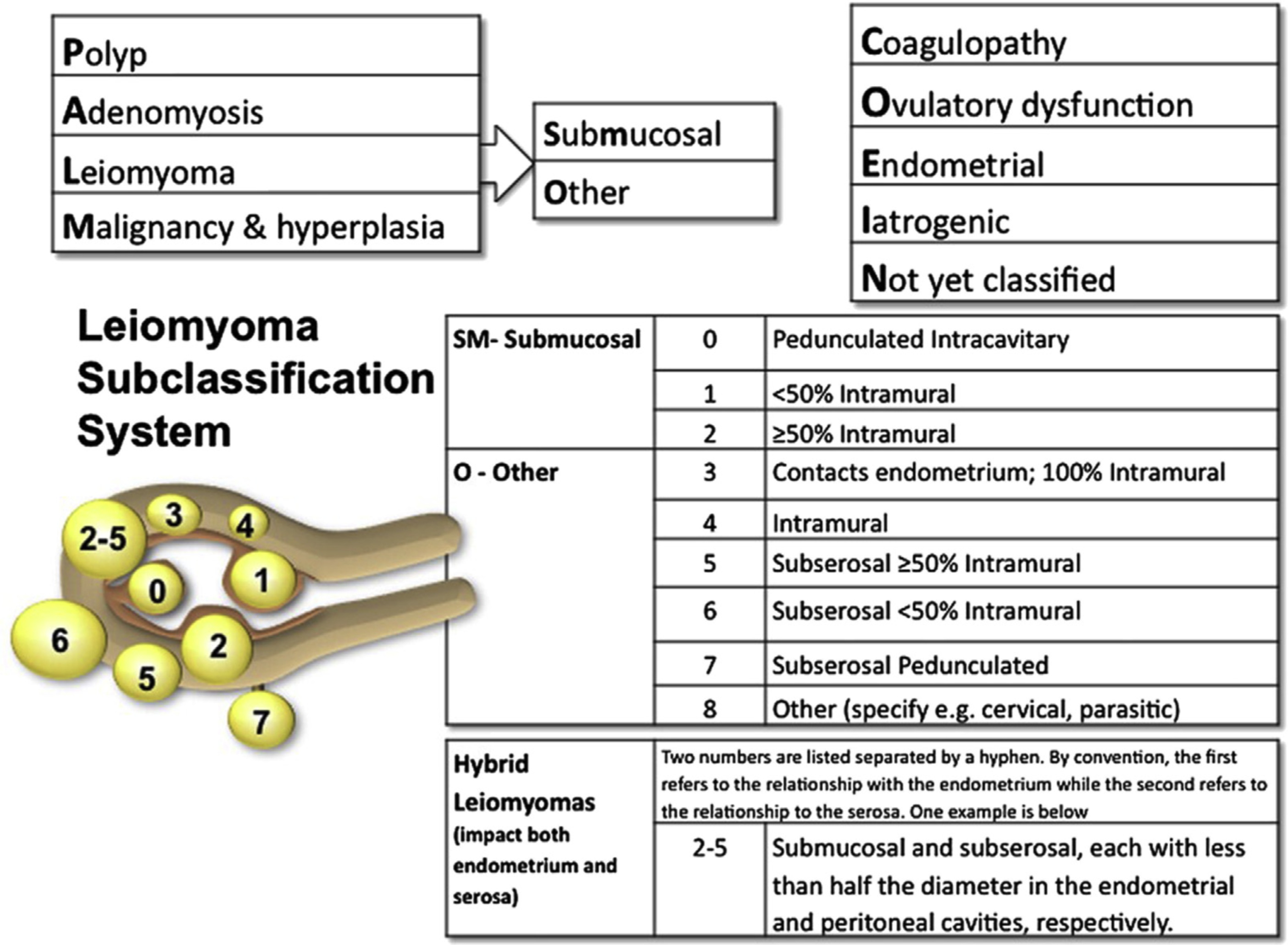
Fibroids that are within the uterus, whether it’s partially or completely, we call these type 0, type 1, or even type 2 FIGO grading fibroids. Those can impact fertility directly because they’re taking up the same space that a baby would try to go into.
It’s decreasing the fertile space where implantation can occur because if there’s a fibroid there, the endometrial lining can’t grow, and implantation either will be more limited or the risk of miscarriage increases.”
Can you get pregnant with endometriosis?
“Yes. You can definitely get pregnant with endometriosis, and a lot of patients will.
They may notice that their symptoms actually improve during pregnancy. However, if they’re having difficulty getting pregnant, especially if it’s more than six months, potentially 12 months depending on age and everything, then I always tell people to go check with their fertility specialist.
It’s worthwhile taking a look because if there is something that we can do to help, and that’s what the patient wants in terms of actively trying to get pregnant, then it doesn’t make sense to wait three years.”
How soon can you get pregnant after fibroid removal?
“It depends where the fibroids are and how extensive the surgery is.
If the surgery is hysteroscopic, meaning it’s through the vagina into the cervix, there are no other incisions on the uterus, so usually it’s a quicker recovery. They usually say, ‘Wait until you get your next normal period,’ and then discuss with your REI specialist what the plan is, whether they’re doing medicated cycles, non-medicated, monitoring, or whatever it may be.
The challenge becomes a little bit more if we’re removing fibroids where we have to cut into the uterus.
Depending on where that fibroid is, how much of the uterus I have to cut into, and how much of the uterus I have to repair is going to tell us how long of a recovery time they may need.
Sometimes it may be up to six months, especially if they had multiple fibroids that were in the muscle part of the uterus. The uterus needs time to heal and repair.
Getting pregnant too early after fibroids are removed from the muscle part of the uterus may cause those stitches to burst open, and it can cause what’s called a uterine rupture.”
Depending on the type of surgery performed, that history may also affect delivery planning.
“Sometimes we recommend them to actually have a C-section for delivery because it’s the force of the labor contractions that puts a lot of strain on the uterus and can cause that rupture to happen.”
Can treating endometriosis improve the chances of pregnancy?
“Yes. Often, for sure. A lot of the treatments with endometriosis are hormonal management, which inherently will then prevent pregnancy, whether it’s by primary mechanism because of something like birth control or IUDs, or it’s through competing hormonal factors like GnRH agonists or antagonists.
A lot of times for patients that are actively wanting to get pregnant or trying to get pregnant, surgery is one of the best options that they may have.
Surgery can remove some of the endometriosis lesions, try to restore normal anatomy, reduce scar tissue, and it can significantly increase the ability of that patient to get pregnant, both naturally and potentially make reproductive procedures more successful as well.”
Can you get pregnant with fibroids?
“Yes, you can get pregnant with fibroids. Usually fibroids that are within the cavity, or polyps- anything that’s within the cavity- are going to be your highest risk in terms of increased risk of miscarriage and also difficulty getting pregnant. Those we typically do recommend removing.
In terms of other fibroids, it depends on their size and their location. Some fibroids are small, and we can monitor them throughout pregnancy. Pregnancy hormones will often cause fibroids to grow a little faster than they did before.
Sometimes, if the fibroids are really large, they can become even larger during pregnancy, or they can start to lose their blood supply because that blood supply is being diverted to the baby, which can lead to significant pain as the fibroid dies.
Alternatively, fibroids can steal blood supply, which can affect the baby's growth as well.
If we know that there are fibroids ahead of time, we’ll have a discussion with the patient about whether it’s something that might be affecting fertility or infertility and whether it would be recommended to remove.
Most of the time, if it’s not in the cavity, usually we’ll remove the fibroids if they’re significantly larger or causing other issues like pelvic pain, back pain, et cetera.”
Can fibroids affect implantation or contribute to failed embryo transfers?
Dr. Nahar shared the example of a patient who had experienced infertility despite having euploid embryos available for transfer.
“She’s had several embryos that are euploid and has had three failed transfers already. Everything else is fine. Every other workup has been fine, but she just had a whole bunch of fibroids.
I ended up taking out seven or eight fibroids. Nothing was in the cavity, but they ranged from three or four centimeters all the way to seven or eight centimeters, multiple of them.
We’re curious to see if this is going to help. She’s just healing, and I’m like, ‘Okay, let’s see, maybe in three to four months. Talk to your REI and let’s see if it works.’”
Why might hysteroscopy be recommended before an embryo transfer?
“Sometimes they may not have a distinct lesion like a polyp or a fibroid after hysteroscopy, but because now we’ve kind of, quote-unquote, ‘cleaned out everything,’ it levels out the playing field.
Sometimes when we go in and do hysteroscopies, we’ll see that even though there are no fibroids or polyps, the lining is irregular. Some areas are thicker, some areas are thinner.
I think that’s also probably why a lot of times REIs will have patients go on medications like birth control to kind of prep the uterus before doing transfers as well.”
Does endometriosis affect ovarian reserve?
“I don’t know if I know data or if we have data on endometriosis affecting AMH levels. PCOS definitely does. PCOS increases AMH levels.
But endometriosis can definitely decrease egg quantity for sure, especially because a lot of times endometriosis can lead to endometriomas, which is where we get chocolate cysts or endometrial cells that start growing within the ovary and taking up space in the ovary.
That directly affects fertility, but then also a lot of times those patients often end up having pain and/or needing surgery, and then a portion of their ovary is removed as well, or it’s been replaced by this chocolate cyst.
So in that sense, it can definitely affect their fertility or egg reserve.”
Can endometriosis cause implantation failure?
“Yes. Endometriosis classically is known as the lining of the uterus growing outside, but it’s also very closely tied with adenomyosis as well, which is when the lining grows into the muscle part.
All of it causes this inflammatory state. Often, we want to do endometrial biopsies not just to check for cancer or precancer, polyps, or fibroids, but also to look at the white cell count and for inflammation.
A lot of times that was then correlated with higher inflammatory markers, higher white cells, potentially leading to more risk of rejection or implantation failure.”
Can endometriosis be “silent”?
“Yes.” Dr. Nahar explained that the severity of someone’s symptoms does not necessarily reflect how extensive their endometriosis is.
“There’s no rhyme or reason. Sometimes patients have crippling pain, and I go in, and I either barely see endometriosis, or maybe it’s barely stage one, or sometimes not even anything.
And then sometimes I go in, and I’m like, ‘How in the world was she walking? Was she doing anything?’ And we just go in for some other reason.
Maybe it was for unwanted fertility and a tubal ligation, and I’m like, ‘Oh my God, you have stage four endometriosis.’”
For some patients, infertility or recurrent loss may be one of the reasons an underlying condition is investigated even when significant pelvic pain is not present.
Should endometriosis be treated before IVF?
“I think it depends. In terms of knowing the extent of endometriosis, there’s not a great way to know it, unfortunately. Typical staging involves doing surgery, which is invasive. Even though I do it robotically in a minimally invasive way, it is still taking that day off and some days for recovery and coordinating with surgery scheduling and all of the rides and everything.
I don’t think it always needs to be treated. A lot of times, endometriosis can be treated with hormonal suppression as well.
I think it comes down to: what symptoms is the patient having? Are the symptoms tolerable, or are they so bad that they can’t even go through a week or two right now, much less a few months of fertility treatment?
I’ve had patients that are like, ‘I really want to get pregnant. I don’t want to try to delay things right now.’ Then usually I’ll say, ‘Go for it. If you haven’t tried, go for it. Give it six months. Let’s see how things go. And if you get pregnant, great, amazing.’
However, if you’ve been trying and it’s not happening, you’ve been trying, and you’re having miscarriages, or your symptoms are so bad that you can’t even fathom having sex, much less trying to get pregnant, then we may want to treat those symptoms first, whether it’s medically and/or surgically.”
What is adenomyosis, and how can it affect fertility?
“Adenomyosis can be a little bit easier to pick up than endometriosis.
Sometimes it’s looking at the heterogeneity or the muscle fibers of the uterus. You kind of need a radiologist or someone that’s looking at the images with a trained eye to look for that.
A lot of times radiologists, and I’ve seen this where the report says, ‘Normal uterus, normal ovaries, no lesions,’ done.
But then I look at the images, and I’m like, ‘Hold on a minute, there are these subendometrial cysts that I see,’ or there’s a heterogeneity of the muscle part.
Sometimes the junctional zone is thicker on one side than the other, or the thickness of the uterus on the front and back is vastly different.
Those are some of the more nuanced things to look for when you’re looking for adenomyosis. Especially if you start to see where one side of the uterus is significantly thicker or thinner, the junctional zone- that’s where the infertility seems to be much more prominent.”
How is endometriosis diagnosed?
“Endometriosis actually is a clinical diagnosis. Typically it relates to women having cyclical pain correlated with their menstrual cycle that is more than the typical pain for periods.
It is very subjective because sometimes there is a cultural component or what society tells you is normal and what you’re told to tolerate.
Sometimes it’s, ‘Oh, that’s your period. You’ve got to deal with it. This is how it works. This is how mine was. This is how your grandma’s was. So don’t complain. Work with it.’
And so you’re like, ‘Okay, I guess this is how it’s supposed to be,’ until they come in and they’re like, ‘Oh yeah, for two days a month, I don’t get out of bed because I’m in a fetal position.’
That’s not normal.”
When evaluating pelvic pain, Dr. Nahar looks closely at the symptom pattern.
“When I have patients that come to me telling me that they have pain, I’m trying to tease out, okay, is this something that changes with your cycle? Is it worse during certain times? Does it change with your diet? Does it change with activity?
Because we can have pain that’s from other reasons, GI reasons, musculoskeletal reasons, et cetera.
Confirming the diagnosis usually requires surgery, but even then, endometriosis doesn’t have one finding.
Sometimes we see different colored lesions. Sometimes we actually see scarring of the tissues. Sometimes we see puckering or pulling of the tissue.
And then sometimes they can have deep infiltrative endometriosis, which may not even be visualized even on surgery because it’s underneath and going into the rectum or going into the bladder.”
MRI can sometimes help identify more extensive disease. “MRI sometimes can, if you have a good radiologist.”
When should you see a fertility specialist for endometriosis or fibroids?
“I think if your periods are more painful than normal, if your cycles are irregular, whether you’re bleeding in between or you’re feeling that there’s a lot of pressure going on, those sometimes could be symptoms of fibroids or endometriosis.
Or also if you’re trying to get pregnant and it’s been six months, it might be worthwhile to check in.
Sometimes we don’t do a full workup right then and there, but if we can start doing some basic workups and figure out what’s going on, it might be worthwhile.”
Understanding the full fertility picture
Endometriosis and fibroids do not affect every patient in the same way. Their location, severity, symptoms, reproductive goals, and previous fertility history can all influence whether treatment is recommended and when.
At Collab Fertility, we take an individualized approach to understanding the factors that may be affecting your ability to conceive and determining the next steps that make sense for your goals.
We have firsthand experience working with patients who have undergone endometriosis or fibroid removal surgery before going on to welcome healthy babies. Stories like these can offer real hope and show that, with the right evaluation and individualized treatment plan, addressing underlying reproductive health conditions may help improve the chances of a healthy pregnancy.
If you are experiencing painful or irregular periods, have been diagnosed with endometriosis or fibroids, or have questions about how these conditions may affect fertility treatment, schedule a consultation with Collab Fertility.
_______________________
Proudly Supporting Local Communities
Collab Fertility is honored to serve families in the East Bay like Danville, Alamo, Orinda, Lafayette, Moraga, Piedmont, and Walnut Creek, as well as many other communities in the Bay Area and beyond, including Oakland, San Ramon, Concord, Pleasant Hill, Santa Rosa, Novato, Napa, Sonoma, and more.
Latest Articles
How does birth control affect hormones?