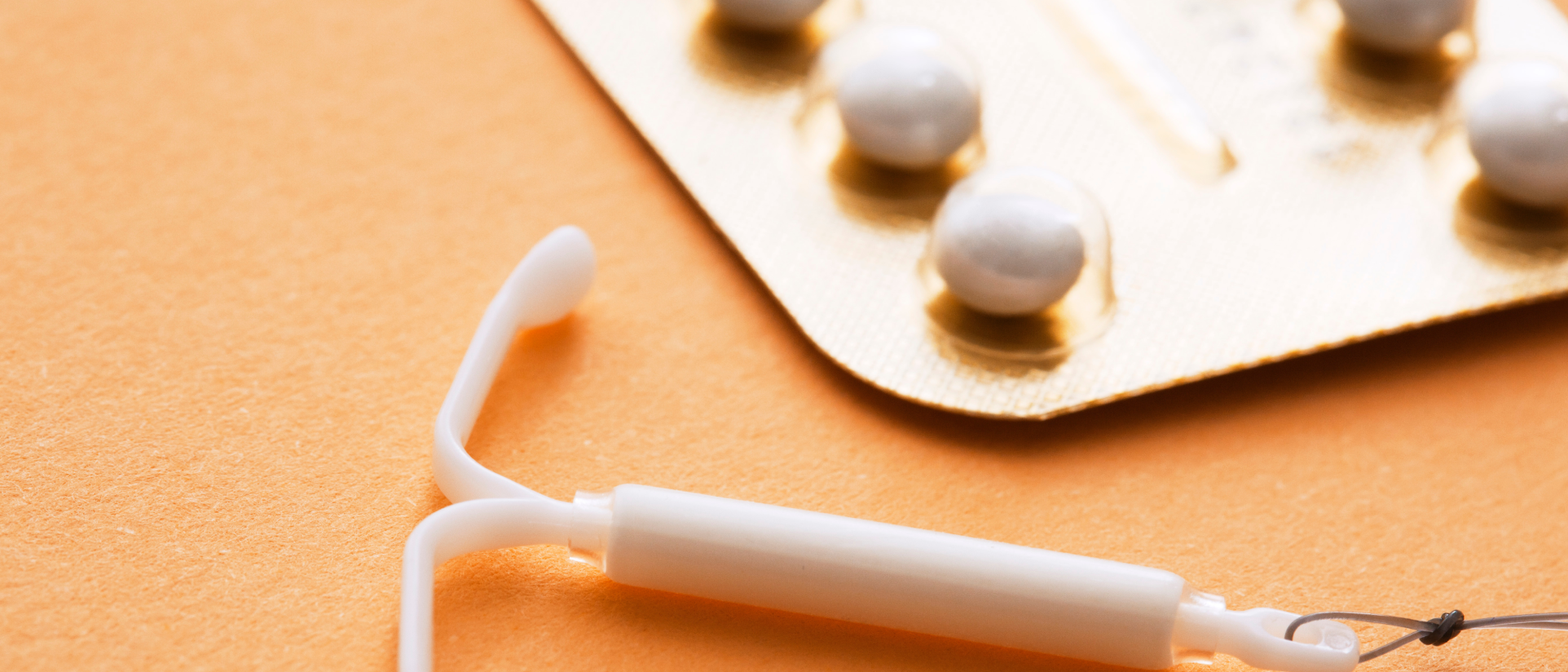
How does birth control affect hormones?
Key Takeaways
- Hormonal birth control does not typically cause long-term hormone problems or infertility. Symptoms that appear after stopping it may reveal an underlying condition that was already being managed.
- Birth control can temporarily suppress AMH and antral follicle count, so unexpectedly low ovarian reserve results may need to be repeated after stopping hormonal contraception.
- Ovarian reserve cannot be determined by AMH alone. Age, antral follicle count, medical history, prior ovarian surgery, and family history all help complete the picture.
- You do not need to “detox” after birth control. Instead, pay attention to how your natural cycle returns and seek evaluation if periods remain absent or irregular, or if significant pain or heavy bleeding develops.
- If you are considering egg freezing or delaying pregnancy, understanding your ovarian reserve earlier can help you make more informed decisions about your fertility timeline.
Stopping hormonal birth control can be surprisingly confusing. Maybe your periods suddenly became irregular. Your acne came back. Cramps became more painful. You started noticing unwanted hair growth, heavier bleeding, or changes in your mood. Or perhaps you stopped birth control because you were ready to try for a baby and discovered that your cycle was not behaving the way you expected.
It is easy to assume that birth control caused the problem. But sometimes, a different explanation is more accurate.
Hormonal birth control can suppress ovulation, regulate bleeding, and improve symptoms associated with conditions such as PCOS and endometriosis. When you stop taking it, the underlying pattern of your natural cycle becomes visible again. In other words, birth control may not have created the problem. It may have been managing symptoms of something that was already there.
At Collab Fertility, we think the more useful question is not simply, “Did birth control mess up my hormones?”
It is, “What is my cycle telling us now?”
What happens when you go off birth control?
Combined hormonal birth control works primarily by suppressing ovulation. It also changes cervical mucus and thins the uterine lining. Once you stop using it, your own hormonal signaling resumes and your ovaries begin returning to their natural cycle.
For some people, that transition feels fairly uneventful.
For others, it can reveal symptoms they have not experienced in years.
You may notice changes in:
- Cycle length
- Bleeding
- Cramping
- Acne
- Premenstrual symptoms
- Cervical mucus
- Ovulation patterns
- Hair growth
- Pelvic pain
That does not automatically mean something is wrong. But persistent or significant symptoms deserve attention rather than being dismissed as your body simply “adjusting.”
If you are not using hormonal birth control and have gone three months without a period, we recommend seeing your OB-GYN for evaluation.
What are the side effects of hormonal birth control?
In most cases, hormonal contraception does not permanently disrupt fertility or “ruin” your hormones.
For methods such as birth control pills and vaginal rings, fertility returns after stopping them. American College of Obstetricians and Gynecologists (ACOG) specifically notes that long-term use of hormonal birth control does not cause future infertility.
What can happen is that the years you spent on birth control overlap with years in which your reproductive health naturally changed.
For example, someone may begin the pill at 20 and stop at 34. If conception is more difficult at 34, it can feel as though birth control caused the change. In reality, age and other medical factors may have changed during those 14 years.
That distinction is important, especially when patients are thinking about their future fertility.
Was birth control masking an underlying condition?
This is where the conversation becomes more nuanced.
Hormonal birth control is commonly used not only to prevent pregnancy, but also to treat symptoms associated with reproductive conditions such as:
PMOS (formerly known as PCOS)
Combined hormonal birth control can regulate menstrual bleeding and reduce acne and excessive hair growth in people with PMOS. It does not cure PMOS.
So if someone stops the pill and suddenly develops long cycles, acne, or signs of elevated androgens, the pill may not have caused those symptoms. It may simply no longer be suppressing them.
Endometriosis
Hormonal medications, including birth control pills, are also commonly used to manage the pain and progression of endometriosis symptoms.
If significant pelvic pain or painful periods return after stopping contraception, it may be worth evaluating whether endometriosis or another underlying condition is contributing.
The same principle can apply to heavy bleeding, irregular ovulation, or other menstrual concerns. Symptoms returning after birth control are information. The goal is to understand why they are happening.
Why am I having irregular periods after stopping birth control?
Your natural menstrual cycle may not immediately look like the withdrawal bleeding you experienced while using hormonal contraception.
For some people, ovulation resumes quickly. For others, cycles may take time to settle into their natural pattern.
However, irregular periods can also be a sign of an underlying issue, including:
- PMOS
- Thyroid dysfunction
- Hypothalamic amenorrhea
- Primary ovarian insufficiency
- Significant changes in nutrition, exercise, or body weight
- Other hormonal or medical conditions
If your cycles remain very irregular, your periods do not return, or you are experiencing other symptoms such as significant pelvic pain or unusually heavy bleeding, it is worth getting evaluated rather than assuming birth control is still affecting you months later.
I would split this into two separate H2s so each section answers a distinct search intent. I’d also move the “AMH is one marker” explanation into the ovarian reserve section, then let the birth control section focus specifically on suppression and retesting.
How does birth control affect AMH?
Hormonal birth control can temporarily lower AMH levels, which is important to keep in mind if you are having fertility testing or considering egg freezing.
Some forms of hormonal contraception can suppress ovarian activity, causing AMH and antral follicle count to appear lower than they actually are. This does not necessarily mean your ovarian reserve has permanently declined.
The American Society for Reproductive Medicine (ASRM) notes that stopping hormonal contraception for approximately two to three months may allow for a more accurate assessment of AMH and antral follicle count in some patients. This suppression is generally reversible after stopping hormonal birth control.
If your AMH is unexpectedly low while you are using hormonal contraception, your fertility specialist may recommend repeating the test after you have been off birth control for a period of time before drawing conclusions about your ovarian reserve.
This is one reason AMH should always be interpreted in context, rather than as a standalone fertility result.
How do you test ovarian reserve?
Ovarian reserve refers to the number of eggs remaining in the ovaries. There is no single test that can give us the complete picture, so fertility specialists typically look at several factors together.
One of the most common tests is Anti-Müllerian Hormone, or AMH. AMH is measured through a simple blood test and helps estimate ovarian reserve and how the ovaries may respond to stimulation during IVF or egg freezing.
Your physician may also evaluate your **antral follicle count**, or AFC, using a transvaginal ultrasound to count the small follicles visible in the ovaries.
When interpreting ovarian reserve, we may also consider:
- Your age
- Your AMH level
- Your antral follicle count
- The type and duration of hormonal contraception you use
- Previous ovarian surgery
- Chemotherapy or radiation history
- Your menstrual and medical history
- Your family history, including early menopause
Ovarian reserve testing can help guide fertility planning, but it does not tell us whether you can conceive naturally or determine the quality of your eggs. Age remains one of the strongest predictors of egg quality.
The goal is to look at the full picture and use that information to help you make decisions based on your fertility goals and timeline.
Does birth control cause infertility?
Hormonal birth control itself is not associated with long-term infertility. But stopping contraception may be the first time someone discovers that an underlying fertility issue exists.
For example, a patient may have had irregular ovulation before starting the pill at 19, spend 10 years having predictable withdrawal bleeds on birth control, and then stop at 29 only to realize that spontaneous ovulation is still irregular.
The birth control did not necessarily create the ovulatory problem. It may have made the cycle appear predictable while the medication was controlling the bleeding pattern.
Similarly, endometriosis, diminished ovarian reserve, early menopause, uterine conditions, and age-related fertility changes can exist independently of birth control use.
How to detox your body from birth control naturally
Despite what you may see on social media, there is no medically established “birth control detox” required after stopping hormonal contraception. You do not need a special cleanse to remove birth control hormones from your body.
Instead, this can be a useful time to pay attention to what your natural cycle looks like.
We may look at:
- Whether you are ovulating
- How frequently you are getting a period
- Symptoms such as pain or heavy bleeding
- Nutrition and metabolic health
- Thyroid function when appropriate
- Signs of PCOS or endometriosis
- Ovarian reserve if it is relevant to your goals
Supportive habits such as adequate nutrition, sleep, movement, and managing underlying health conditions can absolutely matter for reproductive health.
But they are not “detoxing” birth control. They are supporting your health. When should you see a fertility specialist after stopping birth control?
You do not necessarily need to wait until you meet the traditional definition of infertility before asking questions about your reproductive health.
An earlier evaluation is needed if:
- Your periods do not return
- Your cycles are persistently irregular
- You have significant pelvic pain
- Your periods are unusually heavy
- You have known or suspected PCOS or endometriosis
- You have a history of ovarian surgery
- You have received chemotherapy or radiation
- You have a family history of early menopause
- You have a low AMH or an unexpectedly low antral follicle count
- You are considering egg freezing
- You know you want multiple children but plan to delay pregnancy
For people actively trying to conceive, evaluation is generally recommended after 12 months if under 35, after six months if over 35, and immediately for patients over 40 or when there is a known fertility concern.
How long should you be off birth control before freezing your eggs?
This is one area where waiting for a problem to appear is not always the most useful strategy.
AMH can help us understand ovarian reserve and estimate how someone may respond to an egg-freezing cycle. But age remains one of the strongest factors influencing egg quality.
That means someone with a reassuring AMH may still benefit from freezing eggs earlier if they know they want to delay parenthood.
Conversely, someone with a lower AMH may still freeze healthy eggs, but they may retrieve fewer eggs during each cycle and may need to think more carefully about timing, particularly if they hope to have multiple children.
If birth control appears to be suppressing ovarian reserve markers, repeated testing after an appropriate break from hormonal contraception may give us a clearer picture before making those decisions.
The goal is not to create urgency for everyone. It is to understand your reproductive timeline before your options become more limited. Your cycle is giving you information
If everything suddenly feels different after stopping birth control, it does not necessarily mean birth control damaged your hormones. Sometimes, you are simply seeing your natural cycle again for the first time in years.
And sometimes, that cycle gives us important clues about PCOS, endometriosis, ovarian reserve, ovulation, or another aspect of reproductive health that deserves a closer look.
Egg freezing at Collab Fertility in Walnut Creek.
At Collab Fertility, we believe that information should create clarity, not fear.
If you have questions about your cycle, AMH, egg freezing, or future fertility after stopping birth control, schedule a consultation with Collab Fertility to better understand what your body may be telling you.
FAQs
Does birth control impact fertility?
Birth control doesn’t cause infertility or affect your ability to become pregnant in the future. For most people, fertility returns after stopping birth control, but how quickly this happens can depend on the method that was used. Some forms of birth control, such as the shot, can temporarily delay the return of ovulation and regular menstrual cycles.
What do the hormones in birth control do?
Birth control hormones prevent pregnancy by changing the natural hormonal signals that control your menstrual cycle and ovulation. Estrogen helps prevent ovulation, while progestin thickens cervical mucus to make it harder for sperm to reach an egg and thins the uterine lining.
Does birth control lower estrogen levels?
Birth control changes your body's normal hormone levels to help prevent ovulation. Depending on the type, it may contain estrogen, progestin, or both. These hormones help prevent the natural hormonal changes that trigger your body to release an egg.
What happens when you stop birth control?
When you stop taking birth control, your body gets rid of the added hormones and starts returning to its normal hormone cycle. You could temporarily have irregular periods, mood changes, breakouts, or PMS symptoms.
_______________________
Proudly Supporting Local Communities
Collab Fertility is honored to serve families in the East Bay like Danville, Alamo, Orinda, Lafayette, Moraga, Piedmont, and Walnut Creek, as well as many other communities in the Bay Area and beyond, including Oakland, San Ramon, Concord, Pleasant Hill, Santa Rosa, Novato, Napa, Sonoma, and more.
Latest Articles

Can fibroids affect fertility and pregnancy? A Q&A with Dr. Deepti Nahar and Dr. Thalia Segal